
Hardware
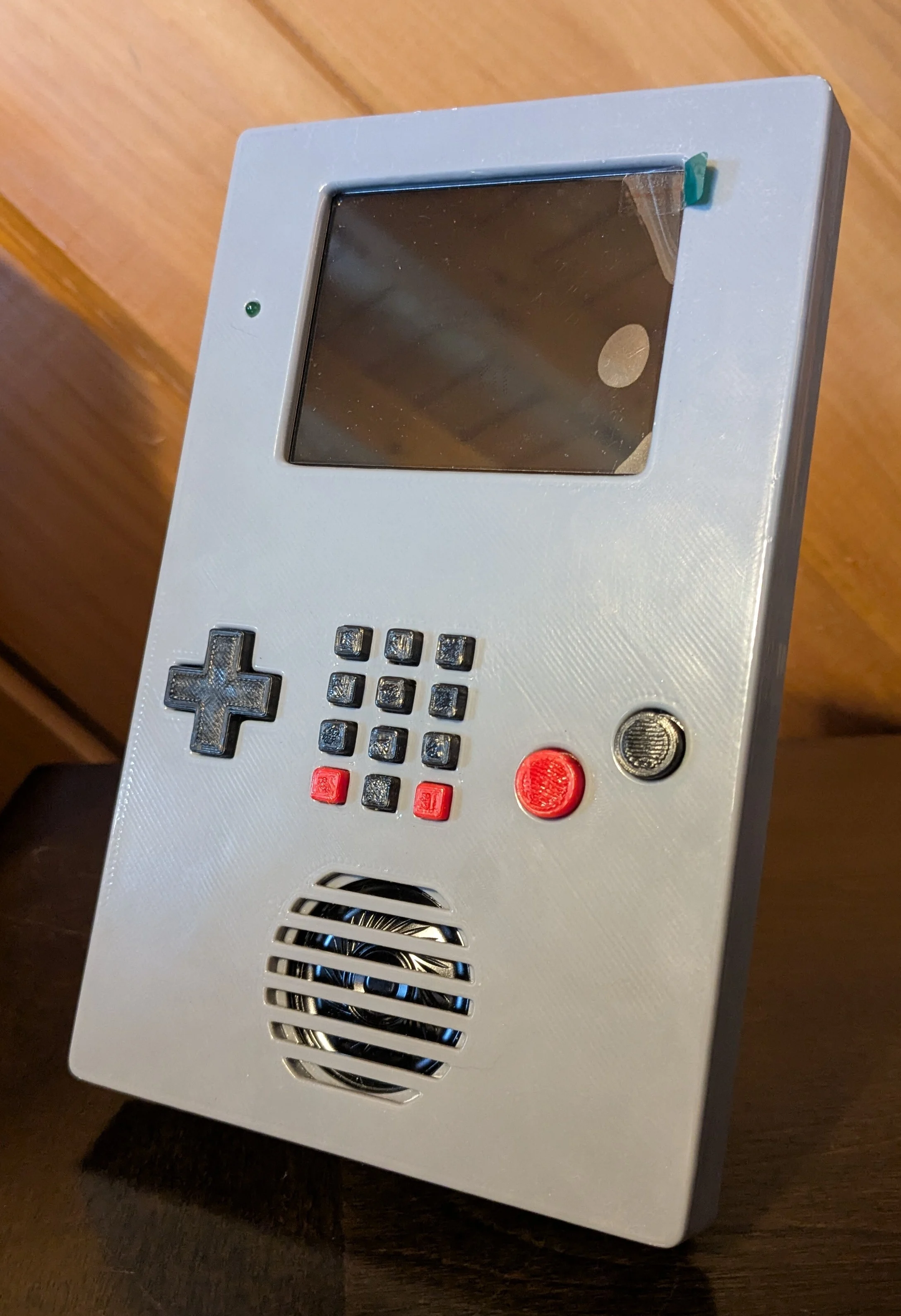
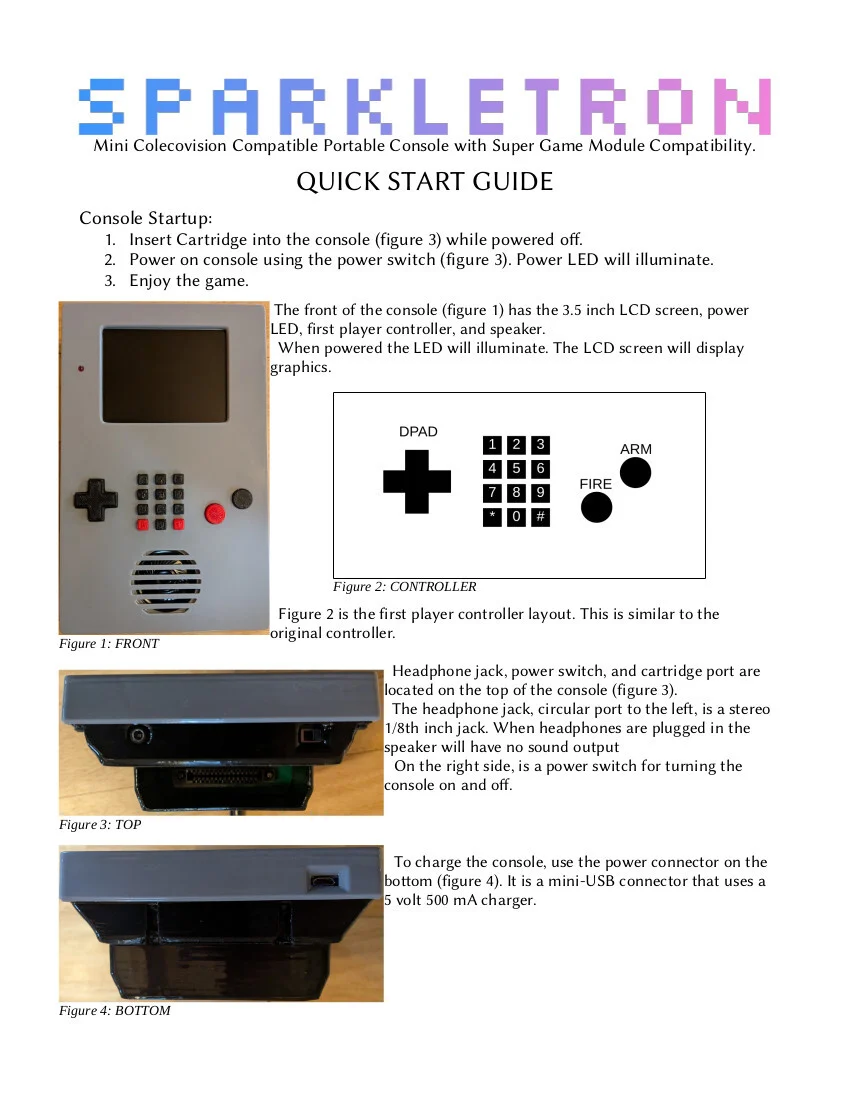
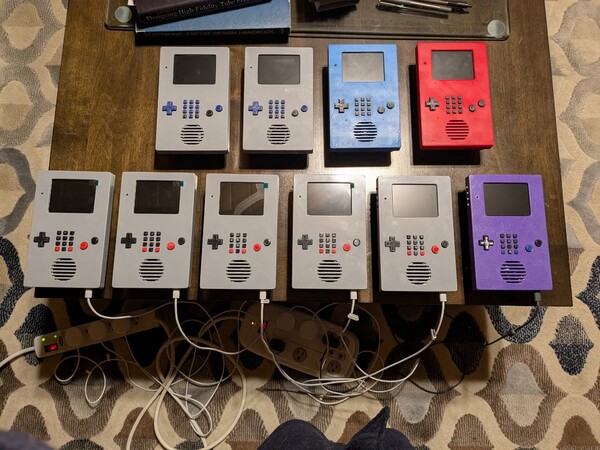
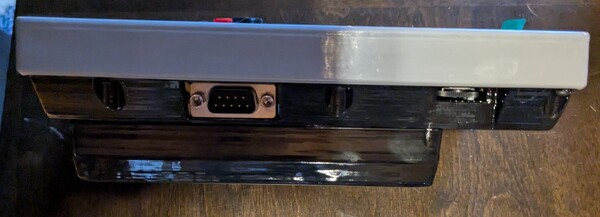
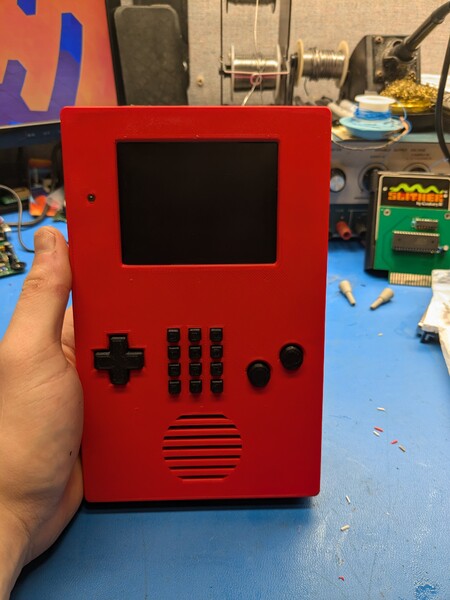
| Catalogue ID | CVH-0225 |
|---|---|
| Manufacturer | electro_sparkles |
| Year | 2024 |
| Platform | ColecoVision |
| Status | Custom Build |
| Manufacturer site | https://forums.atariage.com/topic/363830-mini-colecovision-compatible-portable-open-source-console/ |
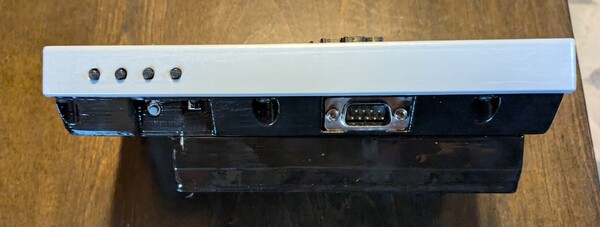
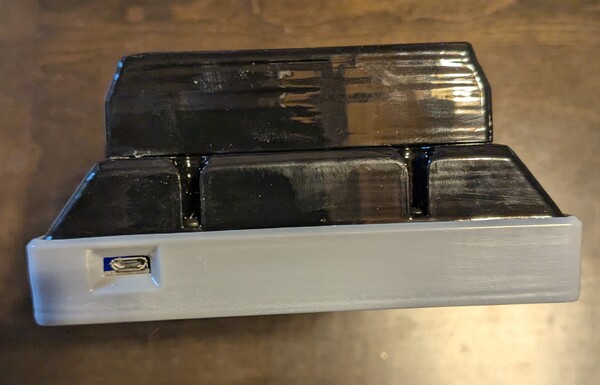
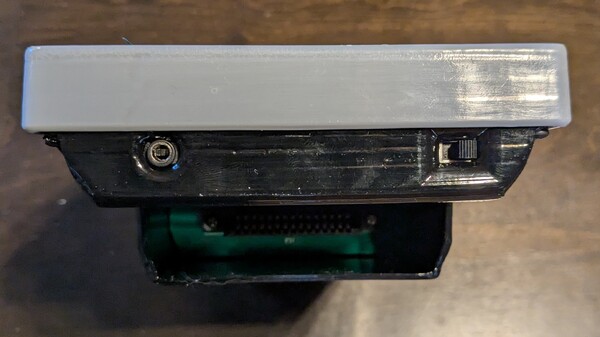
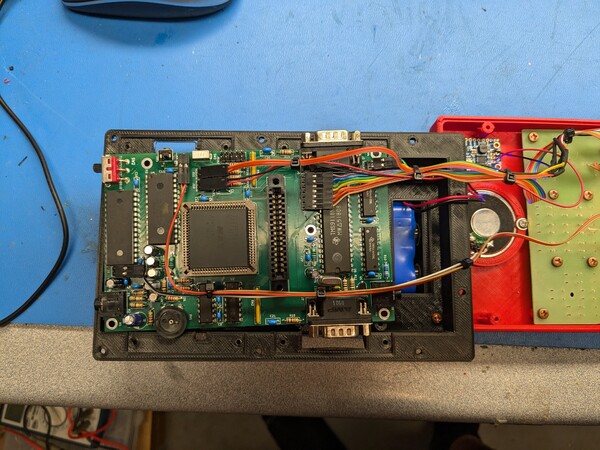
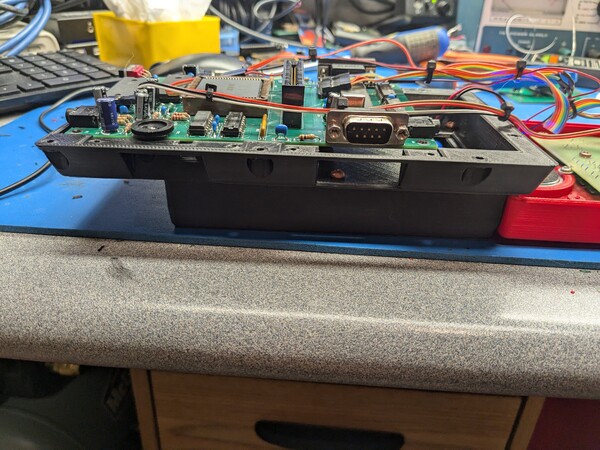
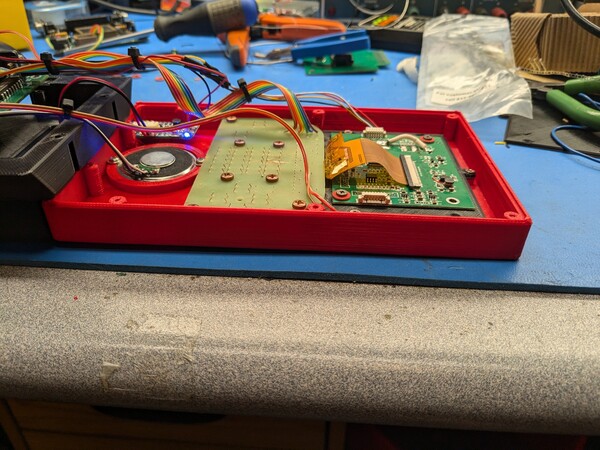
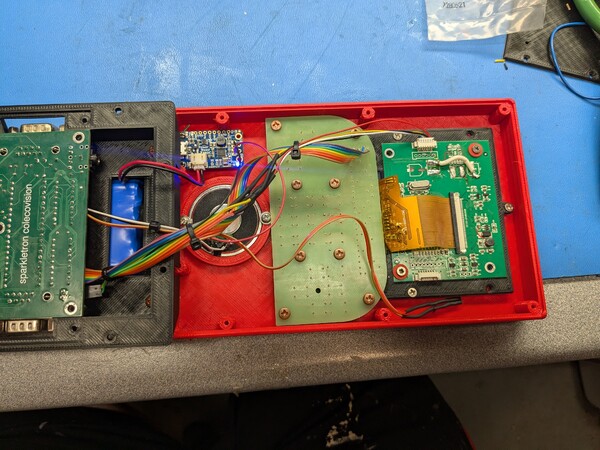
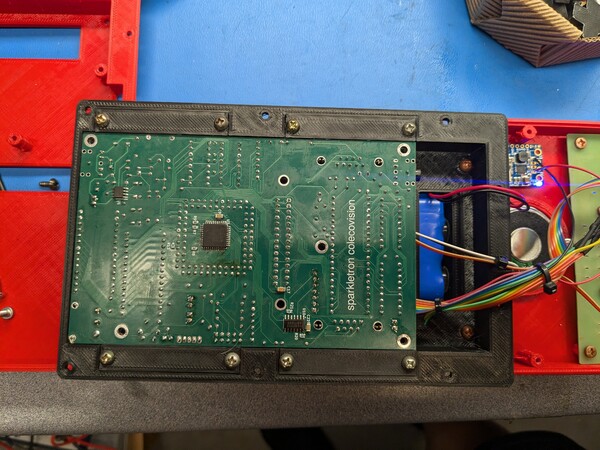
My main goal of the Righteous Tentacle Colecovision Reverse Engineering Project is to make a smaller version that is completely open source. I did not want any added functionality, just the standard Colecovision. The result is the Mini Colecovision (Sparkletron Colecovision), by taking all of the logic and putting it in a CPLD. Then using the TMS9118 VDP chip I was able to create a working Colecovision that is 5v only and 3.5 by 4.5 inches.
The CPLD is a MAX7000S chip, specifically the EPM7128SLC84-10. Why use it? Quartus 13.0sp1 is free to use and runs on Ubuntu 22.04 with the correct libraries. This allows the use of Verilog to describe the functional model for the glue logic. It has 5 volt IO and works well for this type of task. How do you obtain one? Well oddly enough Arrow has 13k of them in stock as of 3/23/24 (update, 3/24/24 they only show 12? No idea what's going on, but Arrows site is terrible) (also also they were from a company Arrow owns, when I find that info I'll update this post). They also have 5k of a slightly slower chip as of 3/24/24. Any speed should be fine, just change the target the Quartus settings. Another part that will work is the Microchip ATF1508AS-10JU84. These can be used with Quartus by converting the POF with the Microchip POF2JED tool. The 7JX84 version will also work, but I haven't looked into it (ATF to MAX is 15=15, 10=10, 7=7 ns). JTAG programming of the part was tested with a generic Altera USB blaster (Chinese uC clone) using the built in JTAG header.
With all of these options for the MAX, I felt that this part could be used, and others would be able to build it easily and cheaply (CPLD is less than $20, around $12 usually).
The TMS9118 was selected since it only uses 2 ram chips, is composite out (less circuitry) and has a 3.56 Mhz clock output. This clock is used by the system globally.
Documentation is a work in progress. Eventually there will be a wiki with build notes and a BOM on the git repo.
This is a 100% open source MIT licensed project.